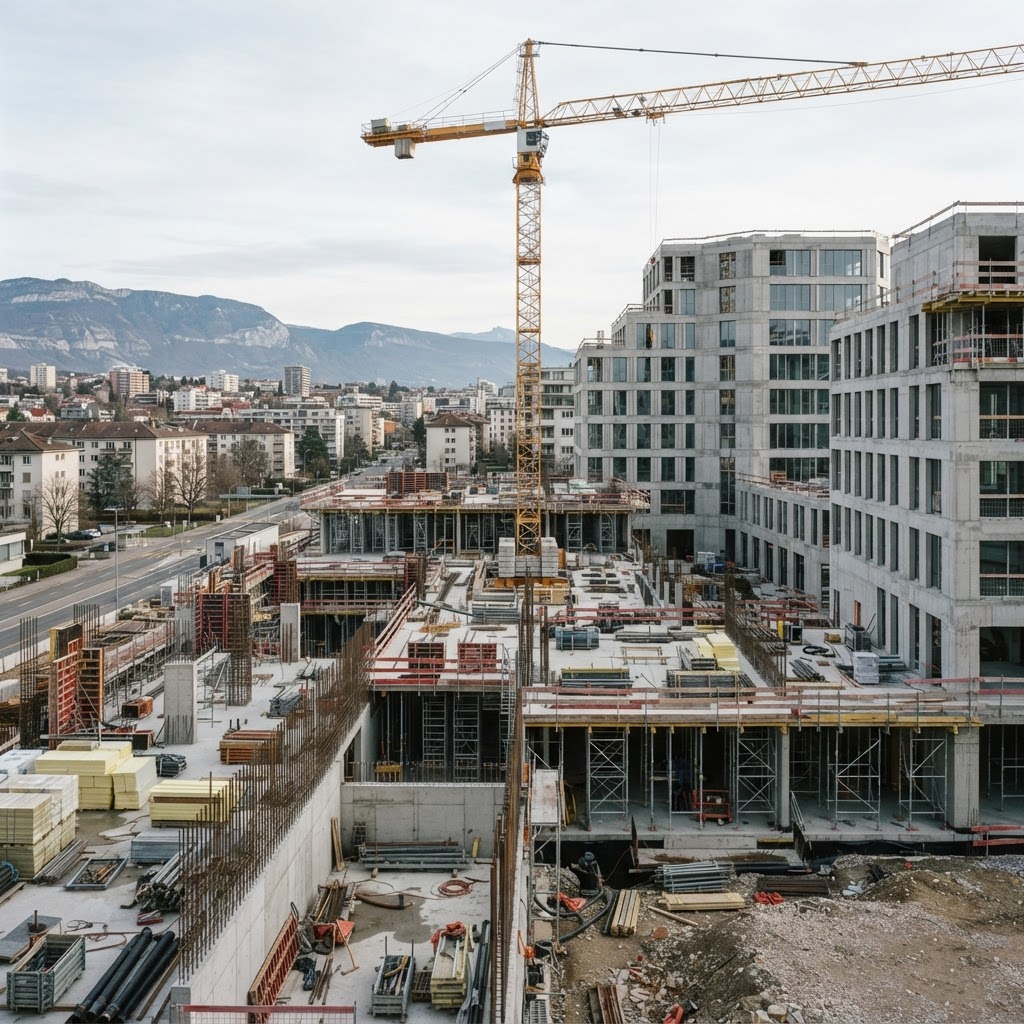
Discovering construction defects is a stressful ordeal for any property owner. Whether it involves hidden defects, building flaws, or structural issues, acting methodically is essential to preserve your rights. In Switzerland, the legal framework is rigorous, relying primarily on the Code of Obligations and the standards of the Swiss Society of Engineers and Architects (SIA). The first golden rule is the immediate and formal documentation of any issue.
Classification of defects and legal framework
Under Swiss law, a distinction is generally made between apparent defects and hidden defects. If a defect is discoverable during the handover of the work, it must be reported without delay. Failing a formal complaint, the work is considered accepted. The SIA 118 standard plays a crucial role here: it offers extensive protection to the building owner compared to the Code of Obligations, particularly regarding the 5-year warranty period for construction defects. It is essential to verify if your construction contract explicitly mentions the application of this standard.
The reporting procedure: rigor above all
As soon as an anomaly appears, do not attempt repairs yourself. You risk compromising your warranty rights by making it difficult to identify the root cause. Send a registered letter to the contractor or architect involved, describing the issue precisely and attaching dated photographs. For complex cases, an independent technical expertise is highly recommended to objectify the facts and avoid biased interpretations from opposing parties. Learn more about our support in our expertise and litigation missions.
The decisive role of an AMO regarding construction flaws
The building owner is often at a technical disadvantage compared to construction professionals. An independent consultancy bureau like KERLINE acts as your safeguard. With 25 years of experience, we step in to audit building defects, verify compliance with specifications and industry standards, and support your technical actions. An independent assessment often helps resolve stalemates with construction firms without necessarily resorting to costly legal proceedings.
Managing deadlines and the statute of limitations
Time is a critical factor. In the case of a hidden defect, the limitation period begins as soon as the defect is discovered, within the established legal timeframes. In Geneva, as in the rest of Switzerland, diligence is required. Waiting too long can be interpreted as tacit acceptance or negligence. Ensure you archive all correspondence related to your project, from execution plans to site minutes and final invoices.
Conclusion: protecting your property interests
Managing a real estate dispute requires strategic vision and sharp technical expertise. Do not let construction defects diminish the value of your assets or compromise your comfort. If you are facing construction defects in Switzerland, we are here to support you. Contact us to benefit from independent, expert advice to secure your rights and obtain a resolution that meets the required quality standards.
Further reading
In the OAKS journal
- Real estate developers facing increased external liability
- A new law to protect buyers and hold developers accountable
Related articles on KERLINE